
- Alabama
- Alaska
- Arizona
- Arkansas
- California
- Colorado
- Connecticut
- Delaware
- Florida
- Georgia
- Hawaii
- Idaho
- Illinois
- Indiana
- Iowa
- Kansas
- Kentucky
- Louisiana
- Maine
- Maryland
- Massachusetts
- Michigan
- Minnesota
- Mississippi
- Missouri
- Montana
- Nebraska
- Nevada
- New Hampshire
- New Jersey
- New York
- North Carolina
- North Dakota
- Ohio
- Oklahoma
- Oregon
- Pennsylvania
- Rhode Island
- South Carolina
- South Dakota
- Tennessee
- Texas
- Utah
- Vermont
- Virginia
- Washington
- West Virginia
- Wisconsin
- Wyoming
How to Conduct a New Mexico Business Entity Search
Page Navigator
- How to Conduct a New Mexico Business Entity Search
- Allowable Entity Types in New Mexico
- Why Search for a New Mexico Business Entity
- How to Search for Business Entities
- What Information Can You Find with the Secretary of State?
- How to Access Detailed Information
- What Business Entity Information is Not Public
- How to Find EIN and UCC Records in New Mexico
- Take Your Search to Another Level with an EntityCheck Business Background Report
- Alternative Resources Beyond the SOS (Secretary of State) Search
- How to Find the Owner of a Business Entity in New Mexico
- Additional Resources for Business Ownership Info
- Types of Owners and Their Roles
- Red Flags to Look for When Searching Business Entities
- Best Practices When Reviewing Business Entity Records
- How to Register an Entity in New Mexico
- How Much Does It Cost To Start a Business in New Mexico
- FAQs

According to the New Mexico government, there are approximately 15,000 businesses in the state. Most of them are small businesses employing roughly 340,000 people. Ninety-nine percent of all companies in New Mexico are small businesses.
Registering a business in New Mexico offers several advantages, including low formation costs, no annual report requirement for LLCs, and a pro-business environment characterized by competitive incentives, low taxes, and affordable energy. Businesses also benefit from no inventory tax, limited liability protection, and privacy protections, and the state provides resources through the New Mexico Economic Development Department.
The most common types of businesses in New Mexico are those in tourism, oil and gas, agriculture, and science and technology, including bioscience, IT, and cybersecurity. The state's economy also benefits significantly from federal government spending and exports. New Mexico's natural landscape, history, and cultural attractions draw numerous tourists throughout the year, sustaining a thriving tourism industry including many hotels, restaurants, event planning companies, and other tourist services. The state also has a strong military presence (bases), with national labs and other federal agencies, which drive the local economy.
Allowable Entity Types in New Mexico

The state of New Mexico allows for several common business entity types, including the Sole Proprietorship, Partnership, Limited Liability Company (LLC), and Corporation. You can form an LLC online through the New Mexico Secretary of State's website by filing the Articles of Organization and a signed registered agent statement. Forming an LLC this way is quick, simple, and inexpensive ($51.95).
The most common business entity type in New Mexico is the Limited Liability Company (LLC), though the sole proprietorship is also very common due to its simplicity. The LLC is popular because it offers the liability protection of a corporation but with simpler tax treatment, similar to a sole proprietorship or partnership. LLCs avoid double taxation and allow for pass-through taxation, where the profits and losses pass through to the owners' personal income. LLCs must be registered with the New Mexico Secretary of State to be legal.
Why Search for a New Mexico Business Entity
Searching for New Mexico business entities is vital for businesses, individuals, consumers, investors, and aspiring entrepreneurs. They verify the legitimacy and legal standing of business entities, prevent name conflicts, support due diligence, boost consumers' trust, and avoid scams.
The most common reason someone searches for a New Mexico business is to check the name availability with the Secretary of State before forming a new company, and to avoid any legal conflicts like trademark infringement. You cannot register a business using a name that is the same or too similar to an existing one. A business entity search confirms that your chosen name is not already in use and is unique enough to be registered with the state, which is crucial for proper tax identification and to prevent costly lawsuits.
Other reasons to search for a New Mexico business entity include:
Prevent Legal Issues: Searching for an existing entity helps you avoid legal battles over trademark infringement and other name-related disputes.
Ensure Tax Compliance: A unique business name is crucial for tax purposes, as it ensures your business is correctly identified and associated with its tax obligations.
Confirm Registered Agent Information: Use the search to find the registered agent for an existing company.
Check Business Status: You can search for a "Certificate of Good Standing" to confirm that a business is current with all its state filings and franchise taxes.
Research a Company: Search to find specific details like an entity's status, location, and registration type, or to view images of past filings submitted by the business.
Investigate Potential Partners or Competitors: Researching a company can help you understand its history, structure, and regulatory compliance, thereby informing your business decisions and minimizing potential risks to your own company.
Find a Business Organizer or Incorporator: If you know a founder's name, you can search for all the businesses they have been involved with.
Gathering Information: Gathering information about a specific business for contracts, due diligence, or other legal research.
Before Investing: Conducting thorough due diligence when acquiring or investing in a business.
Trademarks: Searching for registered trademarks to avoid conflicts.
How to Search for Business Entities

To search for business entities in New Mexico, go to the New Mexico Secretary of State's platform to begin a business entity search, choose your search criteria, and then review the results.
You can search via:
Business Entity Name: Conduct business entity searches using the entity's full or partial names
File Number: Use the seven-digit business identification number to conduct entity searches
What Information Can You Find with the Secretary of State?
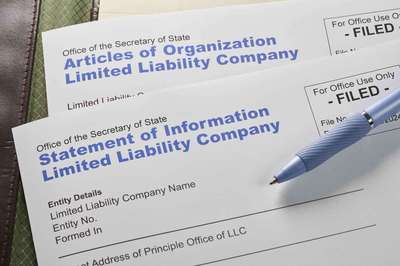
The search result displays the business name, the business ID, the entity type, the status of the business entity, and the state in which the entity was incorporated.
How to Access Detailed Information

Access to detailed information on entity records requires clicking on the business entity name. Typically, you may access information such as:
Business Name: Contains the full business name.
Record Number: The identification number assigned to the business entity.
Entity Status: The current status of the business. Business status may be active, merged, withdrawn, dissolved, canceled, final revoked, or dissolved.
Initial Filing Date: The date the business entity was registered.
Entity Type: The type of business entity incorporated, such as a domestic profit corporation or foreign nonprofit
Formed In: The state in which the business was incorporated.
Agent: The name and address of the registered agent.
Directors: The names and designations of the directors of the company.
Officers: The names of all officers of the company and their titles.
Alternate Business Names: Alternative names the company uses to conduct business.
For further assistance with the search process, contact the New Mexico Secretary of State's Office.
What Business Entity Information is Not Public

In New Mexico, the names and addresses of the owners (members) of a Limited Liability Company (LLC) are not required to be publicly disclosed in the formation documents, making them a private business entity structure. While the identities of the members are kept private, the state requires information like the company's name, the registered agent's information, and the organizer's signature. Additionally, beneficial ownership information (BOI) is also not private; it must be reported to the federal government under certain circumstances. Legal cases and disputes are also public, and often you can find the names of company owners in court orders, subpoenas, and other legal documents.
Some additional information that is private in New Mexico companies includes:
Trade Secrets: Formulas, processes, methods, or other proprietary information that derives economic value from not being generally known to the public and is the subject of reasonable efforts to maintain its secrecy.
Private Employee Medical Records: Medical and health insurance information.
Customer and Employee Identifying Information: Identifying information like Social Security Numbers, driver's license numbers, and passport numbers.
Revenue and Profit Numbers (unless a public company): Smaller companies that are not publicly traded can keep their financial data private.
Financial Data: Bank and credit card numbers, as well as loan information.
Internal Personnel and HR Matters: Details about employees and internal personnel issues are not public.
Information Under Active Litigation: Documents and details related to ongoing legal disputes are typically exempt from public disclosure.
Personal Information: Sensitive personal data about owners, officers, or employees that isn't required for public record.
How to Find EIN and UCC Records in New Mexico

To find a specific New Mexico company's EIN, you can review its tax returns, business licenses, or bank records (if you have access). You can also use online tools like the EDGAR database or the New Mexico Secretary of State's Business Entity Search portal. Although the search portal may not provide the EIN, you may find other information that points you in the right direction. Use EntityCheck's EIN search tool to find EINs in New Mexico.
To find UCC liens in New Mexico, you can use the online search system provided by the New Mexico Secretary of State. Set up an account if you don't already have one. Once logged in, go to "Search" on the sidebar and then select "Lien" from the options. You can search by "Lien Number" or by "Debtor or Secured Party Name." Click the "Advanced" tab for more options. Review the results. The search results are uncertified and for informational purposes only. If you need certified copies of a lien, you must submit a formal request via the "UCC11 & EFS Copies Request" link found on the same search page.
Another valuable resource for finding UCC records is EntityCheck's business background service.
Take Your Search to Another Level with an EntityCheck Business Background Report
An even more insightful way to search for New Mexico business entities and access additional information is to utilize EntityCheck's powerful search engine. Search quickly and easily by business name, EIN, owner, phone number, or email address. Along with the information above, you can dig deeper to find incredibly illuminating details such as:
 UCC Filings:Discover Uniform Commercial Code (UCC) filings, showing creditors' attachment to business assets. These files provide insight into the organization's financial stability through its standing debts and resulting risk. Additionally, you can find lien details, creditor and debtor information, filing and expiration dates, as well as collateral and asset claims.
 Court Cases:Evaluate a company's legal record to assess potential risks associated with its operations and identify any outstanding issues. Review bankruptcy filings, liens and judgments, federal court cases, litigation, and legal history of ongoing and past court cases.
 Licenses:Verify business credentials, including licenses, permits, and government certifications, as well as the educational backgrounds of decision-makers, to assess credibility.
 Filing & Compliance:Review a company's financial performance reports, DBAs (Doing Business As), and government Tax IDs.
 Trademarks & Patents:Find out what intellectual properties a company controls and review the details of any trademarks and patents it holds.
 Registered Individuals:Identify key decision-makers, registered agents, corporate officers, and leadership, even if this information is not readily available through official records.
Alternative Resources Beyond the SOS (Secretary of State) Search

Along with the Secretary of State's office, the New Mexico government has many other departments that may have business information.
Some additional resources to check when evaluating a company are the following:
New Mexico Taxation and Revenue Department: This office administers more than 35 tax programs and distributes revenue to the State and to local and tribal governments throughout New Mexico. Its Motor Vehicles Division administers driver and motor vehicle licensing and registration laws. It is comprised of various divisions, each with separate responsibilities. Its mission is to "proudly serve New Mexico with fair and efficient tax administration, revenue distribution, and motor vehicle services."
New Mexico Regulation and Licensing Department: The New Mexico Regulation and Licensing Department (NM RLD) licenses and regulates businesses and professions to ensure public safety and quality of service. It works with various divisions to oversee a wide range of activities, from professional licensing, such as accountants and physicians, to specific industries, including construction, finance, and alcohol. The department's goal is to protect consumers and provide a fair, prompt administrative process for the citizens and businesses of New Mexico.
New Mexico Office of the Superintendent of Insurance: The New Mexico Office of the Superintendent of Insurance (OSI) regulates and oversees the state's insurance industry to protect consumers. This includes reviewing rates, approving plans, and ensuring insurance companies are financially stable. The OSI also assists consumers with insurance problems, investigates fraud, and advocates for policy changes that improve consumer protections.
New Mexico County Clerk Offices: Each county clerk in New Mexico acts as the public records repository. Their primary function is to file and record a wide range of documents, including deeds, land documents, maps, plats, subdivision maps, surveys, legal descriptions, bills of sale, and property tax liens. New Mexico county clerks also file and record legal documents, including federal and state judgments, notices of intent to sue, marriage licenses, notices of identity, flea market licenses, liquor licenses, business licenses, pawn permits, and fireworks permits. They provide public records upon request.
New Mexico Construction Industries Division: The New Mexico Construction Industry Division (CID) licenses contractors, regulates the construction industry, and ensures that work is performed safely and according to state regulations. It establishes and enforces licensing requirements for various trades, such as general building, electrical, and plumbing, and requires individuals or businesses to hold the appropriate licenses to perform this work. The CID also handles complaints and ensures compliance with state laws, as outlined by the New Mexico Regulation and Licensing Department.
New Mexico Department of Workforce Solutions: The New Mexico Department of Workforce Solutions (NMDWS) provides services to workers and employers to improve employment opportunities and enforce labor laws. It offers career resources, helps individuals apply for unemployment insurance, and provides resources for employers. The department also enforces labor laws, including those related to minimum wage, overtime, and discrimination, and produces labor market information for the state.
New Mexico Public Regulation Commission: The New Mexico Public Regulation Commission (NMPRC) is an independent agency that regulates public utilities, ensuring they provide safe and reliable services at fair rates. Its responsibilities include overseeing electric, natural gas, and water utilities, as well as telecommunications, and enforcing state policies related to their operations.
Contact each of the agencies above to see if they have additional details about a company you are interested in learning more about.
How to Find the Owner of a Business Entity in New Mexico

Identifying the owners of business entities is crucial for conducting due diligence before establishing business relationships. Public search engines provide a starting point for accessing information on business owners. However, public search tools are not thorough. They lack detailed and up-to-date information about the business's legal structure or owners.
The New Mexico Secretary of State's Business Services Division offers reliable access to official information about registered businesses. The Business Search provides an up-to-date database about the corporation, its registered agents, and its owners. Additionally, you may use the following resources to find information about business entity owners in New Mexico:
Additional Resources for Business Ownership Info

Some additional resources for finding business ownership information are as follows:
Public Libraries: Many libraries have business directories or access to exclusive databases. You may find detailed information on business profiles, including the business owners' information.
Better Business Bureau (BBB): The Better Business Bureau (BBB) provides access to business profiles, including ownership and management details.
Professional Licensing Boards: For businesses operating in regulated industries, licensing boards may have information on business entity owners.
Chamber of Commerce: Contact your local chamber of commerce directories, which may include names of a business's key executives or owners.
Public Record Requests: Submit a public record request to the appropriate local or state government agency to inquire about the name of a business owner.
Social Media: Check out the company's social media presence and perform searches with the company name and the words "owner, director, officer," etc., to find out who controls the business.
Types of Owners and Their Roles

A New Mexico company can have one or more owners, depending on its business structure, which can be a sole proprietorship (one owner), a partnership (two or more owners), a limited liability company (LLC), a corporation, or an S-corporation (one or more owners for LLCs and corporations). The choice of structure affects the company's legal and tax obligations.
Some of the types of ownership available in New Mexico include:
Sole Proprietorship: The business is owned and operated by a single individual.
Partnership: The company is owned and operated by two or more individuals.
Limited Liability Company (LLC): An LLC can be owned by one or more people.
Corporation (C Corp): A corporation can be owned by one or more shareholders.
S-Corporation: A special tax designation for a corporation that allows owners to be taxed as individuals.
New Mexico has a wide variety of company leadership roles, similar to other states, including C-suite positions like President and CEO, operational leadership such as Operations and Plant Manager, and functional leadership roles like Director of Project Management and Finance Director. Other common leadership positions include various types of managers (e.g., Assistant Manager, Production Manager, Restaurant Manager) and project or program leaders (e.g., Director of Project Management, Program Director). The complete list is below:
Executive and C-Suite Roles
President
Chief Executive Officer (CEO)
Chief Operating Officer (COO)
Operational and Departmental
Operations Manager
Plant Supervisor
Department Supervisor
Business Manager
Production Manager
Area Manager
Functional and Project Leadership
Director of Project Management
Finance Director
Director of Operations
Program Director
IT Manager
Clinical Director
Other Leadership Roles
Executive Assistant
Assistant Manager
Project Manager
Restaurant Front of House Manager
Manager (e.g., Warehouse Manager, Medical Flight Services Base Manager)
Director (e.g., Director of Service Excellence, Hospice Director of Clinical Services)
Different entity structures have various roles and types of ownership. Some individuals who have control over a company may not hold a traditional role within it. Leadership is a crucial factor to understand before working with a company.
Some of the more conventional roles within companies include:
Shareholders (or Stockholders): They own the corporation by purchasing stock, which grants them voting rights to elect the Board of Directors and influence major corporate decisions.
Directors: Directors set the strategic course for the corporation, make major decisions, and oversee the conduct of the officers.
Officers: Officers, such as presidents (CEO) and secretaries, manage the day-to-day operations of the business and are hired and fired by the Board of Directors.
Members: Members are the owners of the LLC. They can also serve as managers or delegate management to others. Members are typically protected from personal liability for the company's debts.
Managers: Managers, who can be members or non-members, are designated to manage the business and affairs of the LLC.
General Partners: They manage the business affairs as outlined in the partnership agreement. General partners are entirely liable for all business debts and obligations.
Limited Partners: Limited partners have limited management rights. Their liability is typically limited to their investment in the business, providing them with some protection from business debts.
Red Flags to Look for When Searching Business Entities

When searching for New Mexico business entities, be aware of several red flags, including incomplete or inconsistent documentation, a history of high employee turnover, undisclosed liabilities or legal issues, and a seller who is reluctant to provide information or has a rushed sales process. You should also look for declining financial performance or unusual, unexplained fluctuations in financial data, which can indicate poor accounting or hidden problems.
Entity Status Problems

Access the official New Mexico Secretary of State's business entity search page to verify a business's registration status and review its recorded details. Look for companies that are in good standing and not expired. Verify the business's listed details, such as its registered agent and mailing address, to ensure they are accurate and do not contain any suspicious information. Verify whether the company files its annual reports every year.
Inconsistent or Suspicious Information

Pay close attention to the spelling of the company name. Does it appear differently in various locations? Don't overlook these red flags; they could indicate a more serious problem.
A New Mexico company cannot use a P.O. box for a legal address; there must be a physical street address in the same city. If you cannot find a physical address, it's a sign that something is wrong.
Additionally, if the address is used for multiple businesses, that too could be an issue. Use a Google Maps search to reveal if a suspicious number of different companies are using a single address, a tactic sometimes used by failed or fraudulent companies.
Although there is no specific number of DBAs in New Mexico, if you have trouble finding information about a company, check with the Secretary of State to see if a DBA has been filed. You could be searching for the wrong name.
Mismatches in records or a failure to provide all necessary documents are major red flags. A business owner who is hesitant to share details about the business or its finances is a significant warning sign.
Ownership and Management Concerns

Ownership and management issues can also affect your business if you partner with a sketchy company. A constantly high turnover rate can signal a toxic work environment or poor management.
If the business's success relies too heavily on the owner or a single employee, it poses a significant risk if they were to leave.
A declining customer base indicates potential issues with the business's products, services, or market position.
The most common type of lawsuit in New Mexico is breach of contract. Ownership and management problems are key indicators that a company may be willing to breach a contract with you.
Other common legal issues include employment concerns such as discrimination, wrongful termination, and wage disputes, suggesting that some New Mexico companies are not treating their employees fairly.
Financial Warning Signs

Most importantly, financial insolvency can have a drastic impact on you if you invest in or partner with a troubled company. Some financial warning signs in New Mexico to look out for are:
Declining Financial Performance: A consistent downward trend in financial performance is a major warning sign.
Unexplained Fluctuations: Inconsistent or unexplained swings in financial numbers can indicate poor accounting or deliberate manipulation.
Hidden Liabilities: Identify any outstanding debts, unpaid taxes, or other undisclosed financial obligations that could pose a problem after the purchase.
Tax Discrepancies: Reviewing tax documents is crucial, as discrepancies can be very difficult to resolve.
Legal and Compliance Gaps

Verify if the company has any outstanding legal or compliance issues. If you plan to acquire the company, any undisclosed lawsuits or other legal issues could become a significant liability for you in the future.
Additionally, a seller who is overly aggressive in covering up past questionable affairs or incidents may be hiding significant issues.
A local New Mexico publication reports that more than 31 cannabis businesses are noncompliant, and that is just one industry. Always verify that the company complies with all state, local, and federal regulations.
Connections & Affiliations

To ensure thoroughness in your research, cross-check owners/officers with other relevant entities. Sometimes one person runs multiple dissolved/failed companies. Look for repeat patterns of dissolutions followed by new formations. That is a significant indicator of potential fraud. Also, look for companies with connections to organized crime figures, politically exposed persons (PEPs), or other notorious companies with a history of poor business practices.
Some red flags in broader business records include the following:
Inconsistent Public Records
Company filings don't match what's listed in:
Court records
Tax records
Property ownership filings
An example of this is that the registered address differs from the address in lawsuits or liens.
Poor Record-Keeping
Missing meeting minutes (for corporations).
No updated ownership/member list for LLCs.
Lack of transparency in accounting records.
Regulatory Issues
Fines, sanctions, or loss of licenses with state agencies.
Businesses flagged by the Better Business Bureau or the Attorney General's office.
Unusual Patterns
Very recent incorporation with sudden high activity.
Foreign entities registered but not compliant with local laws.
Shell-company indicators (multiple entities tied to the same registered agent at the same address).
Best Practices When Reviewing Business Entity Records

To get the most out of your research, use the best practices outlined below. A business background check can take time, but it can yield a wealth of information that could help you avoid any costly mistakes.
Cross-reference everything.
Compare the UCC filing data with records from litigation and bankruptcy courts. Look for discrepancies between the documents.
Check annual reports for consistency year-over-year.
Research the owners of a company to detect possible bankruptcies, felonies, fraud, and other legal issues that could affect your business.
Use business verification services or business background reports from EntityCheck.
Keep in mind the context. For example, a single lien may not be alarming, but multiple filings, lawsuits, and frequent leadership turnover together signal real risk.
How to Register an Entity in New Mexico

There are several steps involved in setting up a business entity in New Mexico. The business type, management needs, and business goals determine the type of business entity you may set up. Generally, all businesses set up in New Mexico fall under one of the following categories:
Profit Entities: They are established to generate profits for their shareholders.
Foreign Organizations: Businesses incorporated outside New Mexico that wish to operate in the state.
Professional Corporations: Formed by licensed professionals such as doctors and architects.
Nonprofit Organizations: Typically organized for charitable or other societal purposes. They operate without the intention of generating profits.
You may set up a business entity by following the steps outlined:
Determine the entity type that aligns with your business goals.
Choose a business. Conduct a business name search using the New Mexico Secretary of State Business Search. The advanced search option allows a name availability search. You must choose a name that is unique and not too similar to another registered business entity.
File your Business Registration online with the New Mexico Secretary of State. Choose the entity type that suits your business.
Obtain the required city or county business license if required.
Register your business with the New Mexico Taxation and Revenue Department.
File Beneficial Ownership Information (BOI) with FINCEN.
Get your Employer Identification Number from the Internal Revenue Service (IRS).
You may use the Business Online Filing Help guide to assist with registering your business.
How Much Does It Cost To Start a Business in New Mexico

There are various costs associated with starting a business entity in New Mexico. Generally, the price depends on the type of business entity chosen, additional licenses and permits required, and the cost to run the daily operations. The cost of registering New Mexico business entities is as follows:
LLCs: Domestic: $50 / Foreign: $100
Corporations: Domestic: $100--$1,000 based on shares / Foreign: $200--$1,000
Partnerships: Domestic: $50 / Foreign: $100
Nonprofits: Domestic and Foreign: $25
Cooperative Associations: Domestic and Foreign: $50
Foreign Business Trust: $250
In addition to registration costs, cities and counties may require local business licenses. Typically, the fee ranges from $35 to $150. Furthermore, LLCs and corporations must file biennial reports with the Secretary of State for a cost of $25.
When naming your new company, you must follow New Mexico's strict naming guidelines. They are as follows:
Uniqueness: The name must be distinguishable from other businesses already registered in New Mexico. Adding "the," "a," or "an," or using a different spelling does not make a name distinguishable.
Restrictions: The name cannot imply a purpose other than the one in its formation documents. It cannot contain words that suggest affiliation with the government, such as "FBI" or "State Department".
Professional Words: The name cannot include words that imply official licensing (like "bank" or "CPA") unless the business has the proper license or registration for that profession.
DBA (Doing Business As): Sole proprietorships and partnerships must use the owner's or partners' surnames unless they file for a DBA. New Mexico does not require the state registration of DBAs.
Limited Liability Company (LLC): Must include "limited liability company," "limited company," or an accepted abbreviation like "LLC" or "LC" at the end of the name.
Corporation: Must include "corporation," "company," "incorporated," or "limited," or an abbreviation of one of these terms.
Sole Proprietorship / General Partnership: The business must operate under the owner's or partners' surnames, respectively, unless a DBA is filed to use a different name.
FAQs
- How do I look up who owns an LLC in New Mexico (members vs. managers)?
To find the owner of an LLC in New Mexico, search the New Mexico Secretary of State's business database using the LLC's name to view publicly available information, which may include the registered agent and organizer but not necessarily the members or managers. If the owner's name isn't in the online search, you can file a public information request with the Secretary of State's office, or you may find ownership details in alternative public records like deeds or tax databases.
- How can I find a corporation's officers and directors in New Mexico?
You can find a corporation's officers and directors in New Mexico by using the New Mexico Secretary of State's online business search tool, which allows you to look up entities by name or ID number. For public companies, you can also use the SEC's EDGAR database for filings, while other sources like EntityCheck may also have this data.
- Are business owners' names public or private in New Mexico?
In New Mexico, business owners' names are generally private for LLCs, as the state does not require owner names on initial filings and LLCs do not file annual reports. For sole proprietorships operating under a "Doing Business As" (DBA) name, the owner's name is not automatically public unless a separate, non-LLC registration is filed. However, ownership information is not entirely hidden from all authorities. Government agencies, courts, and financial institutions can still access ownership details through legal means like subpoenas or court orders, especially during investigations or lawsuits.
- Where do I search official business records in New Mexico?
You can search for official business records in New Mexico through the Secretary of State's website. This online portal allows you to search for registered businesses by name, review the search results, and obtain entity details from the search information page. You may also have the option to view additional details specific to the entity.
- How do I check if a business name is available or reserved in New Mexico?
Check to see if a business name is available in New Mexico by using the New Mexico Secretary of State's online business search tool. To reserve a name, you can submit a name reservation request to the Secretary of State for a fee. You should also consider checking for trademarks with the USPTO and ensuring your desired social media handles are available.
- How do I get a Certificate of Good Standing/Existence in New Mexico?
To get a Certificate of Good Standing in New Mexico, you must be a registered business and request the certificate from the New Mexico Secretary of State's website or use the online Taxpayer Access Point (TAP) portal if you are a taxpayer. You can also submit a mail-in form with payment to the Secretary of State's office for a copy. You must pay a fee of $50 for a copy.
- How do I obtain certified copies of formation documents and amendments in New Mexico?
You can obtain certified copies of formation documents and amendments in New Mexico through the New Mexico Secretary of State's online business portal. After creating an account and logging in, you can search for the business and request a certified copy of the filing for a fee. You may also request the copies via email, mail, or fax. The cost is $10 per certified copy.
- How do I search UCC (Uniform Commercial Code) liens against a company in New Mexico?
To search for a UCC lien against a company in New Mexico, use the online portal on the New Mexico Secretary of State's website, which requires creating an account to log in. Once logged in, you can use the "Advanced search" feature to search by the company's name, and you can view results like the filing number, status, and dates once they are returned.
You can also use the handy EntityCheck UCC search tool to find liens against a New Mexico company.
- What are the steps to register an LLC in New Mexico (forms, fees, timeline)?
When registering an LLC in New Mexico, you must complete several steps. First, you file your Articles of Organization with the New Mexico Secretary of State, appoint a registered agent, and pay the $50 filing fee. Although creating an operating agreement is not required, it can help avoid issues later. The agreement outlines each owner's roles and responsibilities, as well as its operating procedures. Once done, you should also apply for an EIN with the IRS. The timeline can be quick when filing online, and you can be approved immediately. Other items include registering for state taxes, obtaining any necessary business licenses or permits, and opening a business bank account to keep your personal and business finances separate.
- What are the steps to incorporate (C-Corp/S-Corp) in New Mexico?
To incorporate as a C-Corp or S-Corp in New Mexico, you must first file Articles of Incorporation with the Secretary of State, which includes appointing a registered agent and directors, and choosing a corporate name. After filing, you'll need to hold an initial organizational meeting, adopt bylaws, issue stock, and obtain an Employer Identification Number (EIN). To become an S-Corp, you must also file IRS Form 2553. You should also obtain any necessary licenses or permits and open a business bank account.
- Do I need a registered agent in New Mexico, and who can serve as one?
Yes, in New Mexico, you are required to have a registered agent, and the agent can be an individual resident of the state, a domestic or foreign entity, or a professional registered agent service. The agent must have a physical address in New Mexico, be at least 18 years old, and be available during standard business hours to accept legal documents on behalf of the company. Additionally, the individual or entity must agree to be the registered agent and sign a statement acknowledging their role. The registered agent's personal information will be made public when the business is formed.
- What annual reports, franchise/margin taxes, or license renewals are required in New Mexico?
New Mexico does not require LLCs to file annual reports, but corporations must file annual reports. However, the state does impose a franchise tax, also known as a privilege tax, which is a flat fee of $50 paid annually. The franchise tax applies to all New Mexico corporations, which include both C-corporations and S-corporations, and is levied as a charge for operating in the state. There is no general state-level business license, but companies must renew their local business licenses and permits annually.
- How long does state approval take in New Mexico, and are expedited options available?
Standard New Mexico LLC approval can take 2–3 weeks, but expedited options are available for a fee, potentially reducing processing time to 4–6 days. Other state approvals vary; for example, the New Mexico Secretary of State's office may take up to 30 days for a standard business registration. Some professional licensure can be expedited to 30 days with the proper forms and fees, as outlined in a New Mexico Administrative Code § 16.21.4.11.
- Do I need to foreign-qualify to do business in New Mexico if my company is formed elsewhere?
Yes, you must foreign-qualify your company in New Mexico to do business there if it was formed in another state. This process is required if your company has a physical presence, employees, or conducts regular business activities in the state. A foreign qualification enables your business to operate legally, pay taxes, and access the state's court system. If you do not foreign-qualify, you may not be able to bring or maintain lawsuits, or you may be forced to stop transacting business in the state.
- What activities count as "doing business" in New Mexico?
Doing business in New Mexico includes any action a company takes to generate profit, such as producing goods, providing services, and managing its finances. These activities may consist of maintaining a physical presence, paying employees, or employing salespeople within the state. They can also include investing in or financing a business in New Mexico.
- How do I file a DBA/fictitious business name in New Mexico, and is county/city filing required?
No. In New Mexico, you do not need to file a DBA (fictitious business name) with the state because there is no state registration requirement. You should, however, perform a business name search with the New Mexico Secretary of State to ensure the name is unique and consider reserving it for 120 days if needed. It's also crucial to check with your specific county and city to see if they have local registration or licensing requirements, as some cities and counties may require a local filing.
- How do I change my company's name, address, officers, or members in New Mexico?
To change your company's name, address, officers, or members with the New Mexico Secretary of State, you will need to file specific documents depending on your business structure and the change being made. Most updates require filing an amendment or a statement of change. You do not need to report changes with members or managers of an LLC, but you should document them internally.
- How do I reinstate or revive a company that's been administratively dissolved in New Mexico?
To reinstate an administratively dissolved company in New Mexico, you must file an Application for Reinstatement with the Public Regulation Commission (PRC), resolve any delinquent reports, outstanding taxes/penalties, and pay the applicable fees. You may also need to file a reinstatement with the New Mexico Secretary of State's Business Services Division.
- Do I need to file Beneficial Ownership Information (BOI) with FinCEN, and how does that interact with New Mexico filings?
No, you do not need to file Beneficial Ownership Information (BOI) with FinCEN unless your business is a foreign reporting company. The rule was removed for most U.S. companies on March 26, 2025. Any New Mexico state-level filings are separate from the now-unnecessary federal FinCEN BOI report, so you will still need to follow New Mexico's requirements for business registration, annual reports, and taxes, but not the federal BOI report.
Page Navigator
- How to Conduct a New Mexico Business Entity Search
- Allowable Entity Types in New Mexico
- Why Search for a New Mexico Business Entity
- How to Search for Business Entities
- What Information Can You Find with the Secretary of State?
- How to Access Detailed Information
- What Business Entity Information is Not Public
- How to Find EIN and UCC Records in New Mexico
- Take Your Search to Another Level with an EntityCheck Business Background Report
- Alternative Resources Beyond the SOS (Secretary of State) Search
- How to Find the Owner of a Business Entity in New Mexico
- Additional Resources for Business Ownership Info
- Types of Owners and Their Roles
- Red Flags to Look for When Searching Business Entities
- Best Practices When Reviewing Business Entity Records
- How to Register an Entity in New Mexico
- How Much Does It Cost To Start a Business in New Mexico
- FAQs